You’re Still an Athlete. You Just Don’t Have a Season Anymore.
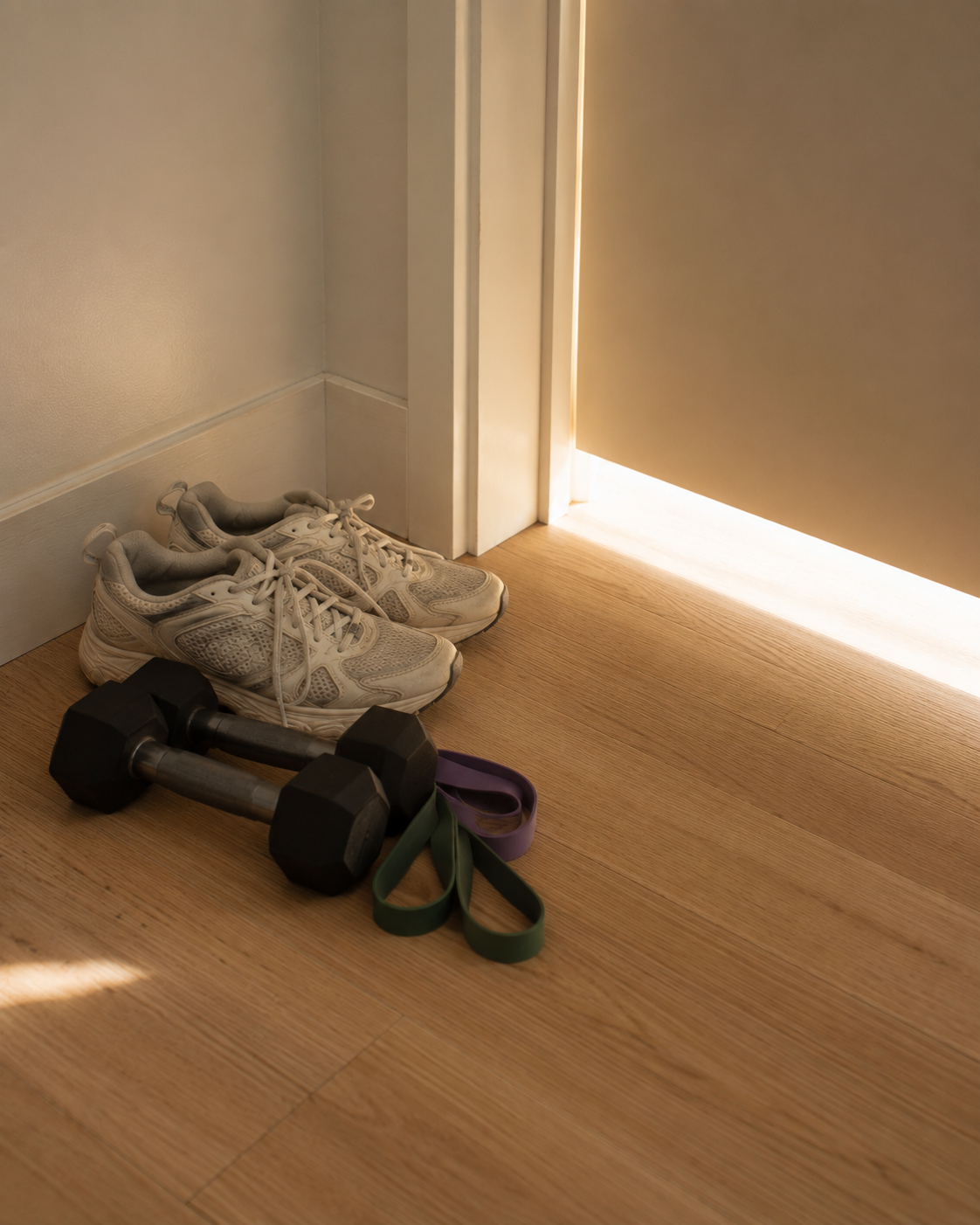
The first week, you don’t know what to do at 4pm.
It’s not that you miss the practice specifically, it’s that 4pm has meant something your entire life and now it doesn’t, and you didn’t realize how much of your day was organized around that one anchor until the anchor disappeared. You’re not tired. You’re not sore. You have time, for the first time in years. And it feels stranger than you expected.
This is the year the season ends for good. Nobody explains what that means before it happens, which is part of what makes it hard. The grief doesn’t look the way grief is supposed to look. You made a choice. Maybe it was the right one. And you’re still carrying something you don’t have a word for.
Here’s the word: you lost the structure, not the identity. Those are different things, and knowing the difference changes what comes next.
What the Schedule Actually Was
If you played a sport in high school and came to college as a student-athlete, your schedule was not your schedule. The season built it. Morning lifts at 6am, afternoon practice, film sessions, travel weekends, the weeks when everything else had to fit around the thing you couldn’t move. Your body organized its hunger, its sleep, its energy around a recurring structure that never changed much.
Even when the season ended, there was the off-season. You were always in or approaching preparation.
When that structure goes away, the body doesn’t catch up immediately. It still wakes at practice time. It still feels like something is supposed to happen at 4pm. Physical restlessness without an outlet is unfamiliar for people who have spent years converting that energy into something scoreable.
The schedule was the most visible thing you lost. It was not the thing that made you an athlete.
Who You Were When You Introduced Yourself
In a 2025 study of former NCAA Division III athletes who had voluntarily left their sports, researchers found that identity disruption was one of the primary experiences across participants. Not just the loss of the activity, but the loss of the structure that made the identity legible: how participants understood themselves, how they read their own value, how they answered “who are you” without using the word “athlete.”
For many, sport had been the answer to that question since childhood. It was the thing that organized friendships, family conversations, future planning, how your body looked, how you moved through a room. You trained, you competed, you had a team. You knew your place in the day and in the hierarchy and in the story you were telling about yourself.
The research calls this identity loss. But there’s a more precise version: it’s the loss of the external structure that held the identity in place. The team, the season, the coach, the scoreboard — those organized the athlete identity for you. Without them, the identity feels like it disappeared.
It didn’t. You just have to hold it yourself now, and nobody taught you how to do that because the structure always did it for you.
The Body Remembers What It Was For
There’s a specific discomfort that former team athletes know and non-athletes often don’t: the feeling of having a body that was trained for something it isn’t doing anymore. You know how to go hard. You know how to push through. You have a physical vocabulary built around performance and competition and the particular satisfaction of leaving everything on the field.
That vocabulary doesn’t disappear. The athlete body doesn’t become a non-athlete body. What it becomes is an athlete without a scoreboard, and that is a different thing from what you’re used to.
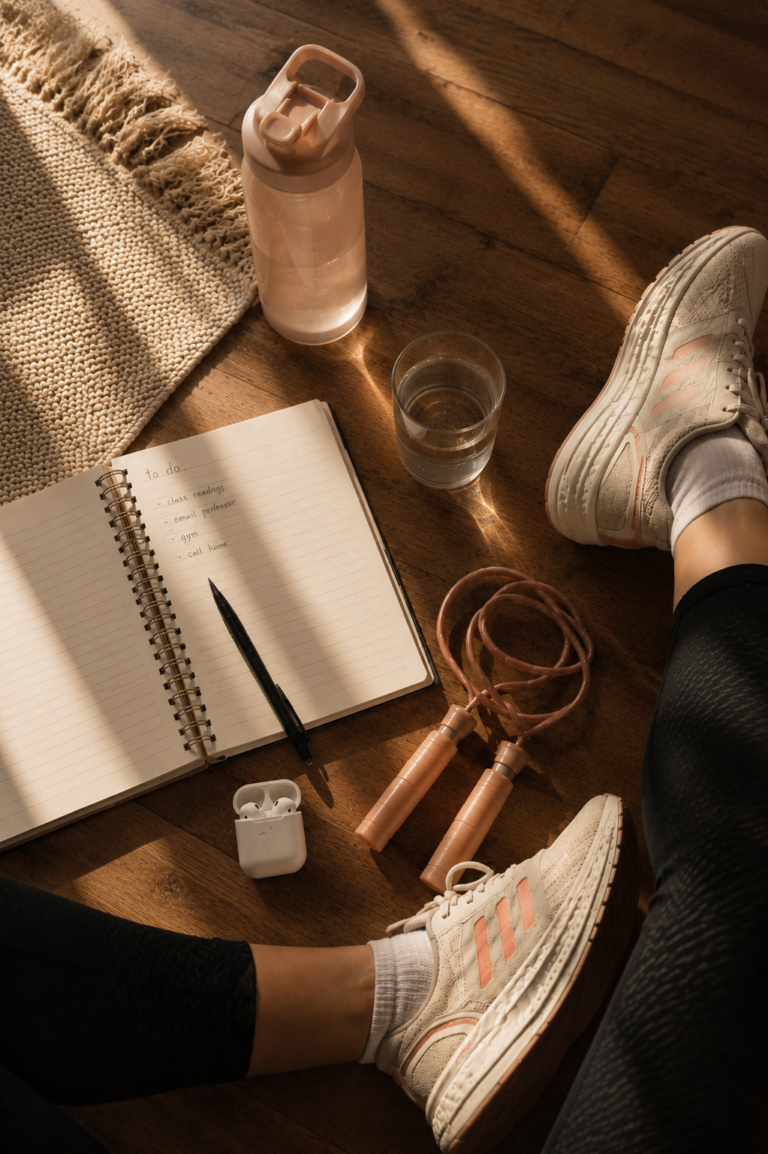
The Alo Warrior Mat is one version of that space, movement that belongs entirely to you, without a lineup, without a time clock. It takes some adjustment. The rhythm of moving for yourself rather than for a season opener feels unfamiliar at first because the external stakes are different. But the body is the same one. The capacity is the same one. You’re just building a new container for it.
The Practical Work of a New Container
The harder adjustment is not physical. It’s figuring out what kind of athlete you are when there’s no coach defining that for you.
The team athlete had external feedback constantly: the coach’s eye, the starting lineup, the game tape, the competitive hierarchy. All of that told you what kind of athlete you were. Without it, you have to develop your own read on yourself, which is slower and less certain and requires actually paying attention to what you feel rather than what the scoreboard says.
A Papier wellness journal is a low-stakes container for that process. Not a training log. More like a place to work out what competition means when the only opponent is Tuesday’s version of yourself, what discipline looks like when no one is checking, what the athlete identity is when it’s not being reflected back by a uniform and a roster.
You’ve never had to build that version from scratch. Most athletes haven’t. That’s why it’s disorienting. Not because the identity is gone, but because you’re building it from the inside out for the first time.
The Sport Ends. The Athlete Doesn’t.
Here is the thing the research names but doesn’t quite say directly: you are still someone who knows how to push. Someone who understands their body’s signals, who has a physical vocabulary most people never build. Someone who knows what it means to commit to something hard over a long period of time and show up for it even when you don’t feel like it.
None of that leaves when the season does.
What changes is the container. The team, the schedule, the scoreboard, the coach. That container organized your athlete identity for years. Without it, you have to organize it yourself, which is harder and slower and doesn’t come with the same feedback. But the athlete living inside that container is the same one making choices now.
You don’t have to become someone new. You have to figure out how the person you already are moves through a life that doesn’t have a practice schedule in it.
That is a meaningful distinction. The season ended. You didn’t.