The College Student’s Guide to Actually Enjoying Your Hometown This Summer
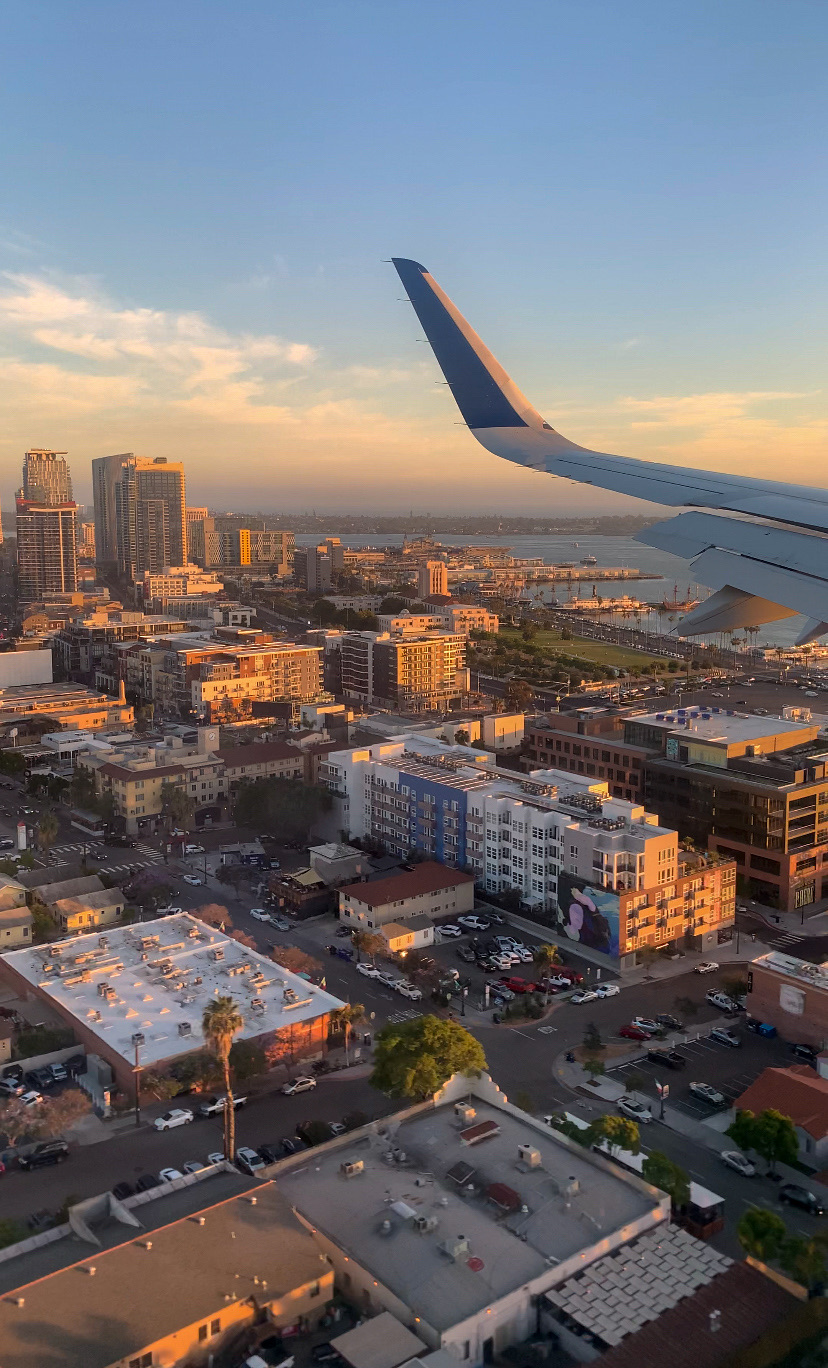
You’ve been home for one month, and you’ve already reorganized your childhood bedroom, eaten at every restaurant you missed, and had the same conversation with your parents four times. The town you grew up in looks about the same as when you left, which is somehow both comforting and slightly suffocating, and your college friends are scattered across three time zones, posting about internships and weekend trips to places you’re not.
This is the part of the summer no one thinks about. Not the boredom exactly, but the weird in-between feeling of being back somewhere that used to be your whole world, now that you know the world is larger.
Here’s what to do with it.
Stop Waiting for It to Feel Different
The biggest mistake is treating the hometown summer as a holding pattern, a gap between the life you’re building and the life you’re living. That framing guarantees a miserable June. It also misses the actual window you’re standing in.
You will not always have this. Your parents are there. Your old neighborhood is there. The diner you’ve been going to since you were nine is still there. The version of your city you grew up in, including the specific combination of people and familiarity and low stakes, is something you are actively living inside right now and will look back on later.
That doesn’t mean it’s perfect. It means it’s real, and real is worth paying attention to.
Go Somewhere You’ve Never Actually Been
Every town has places that the people who live there have never visited. A local museum that you drove past for eighteen years and never walked into. A hiking trail that tourists drive from two hours away to see that you’ve never once checked out. A restaurant that opened six years ago, that isn’t in the part of town you usually go to.
Spend one afternoon a week being a tourist in your own city. Not as a bit, not ironically, but actually be curious. Go somewhere you have no memory attached to and form a new one. This is harder than it sounds because the places you grew up in feel as if they’ve already been assigned meaning, but the ones you’ve ignored are still open.
While you’re doing it, bring a polaroid camera. Not your phone. The phone you’ll scroll past in a folder somewhere in 2029. The Polaroid you’ll keep in a shoebox and find when you move out of your first apartment and genuinely remember the exact afternoon you took it.
Find the People Who Knew You Before
The friend you had in eighth grade who went to a different high school. The teacher who told you to keep writing, or keep playing, or keep doing the thing you almost stopped doing. The neighbor who watched you grow up and asks you real questions when you see them. The cousin who’s two years younger than you and at a different stage, and who reminds you of the person you were at that age.
Some of these people are easier to ignore over the summer than to actually see. See them. These relationships don’t exist in college, and they won’t exist in the next city you move to. They are specific to this place and this history, and they are worth an hour of your time in someone’s backyard or kitchen or front porch.
Most of the best conversations you’ll have this summer will be with someone you’ve known your whole life, not someone you’ve just met.
Give Yourself an Actual Project
The summers that feel like they mattered usually had something with a beginning, middle, and end. A goal you set and finished. A skill you picked up in a month. A thing you made that didn’t exist in May.
Read the five books you’ve been saying you’d read since freshman year. Learn to cook three things you actually want to eat. Finally take a real look at your finances and understand what your money is doing. Work on the thing you’ve been calling “a side project” for two years and find out if it’s actually viable or if it’s something you were just attached to the idea of.
The project doesn’t have to be impressive. It has to be yours and it has to be real.
Don’t Disappear Into the Screen
The summer has a way of turning into a blur of Netflix and group chats and TikTok sessions that stretch from after lunch into 2 a.m. This is not rest. It’s friction avoidance. The actual rest, the kind that makes September feel like a clean start instead of a recovery, comes from time that has shape to it.
Wake up at a consistent time. Get outside at some point every day. Have at least one real conversation before you touch your phone. These are small things that have outsized effects on whether June, July, and August feel like something that happened to you or something you actually lived.
The Thing Worth Knowing Before You Leave
There will come a summer when you don’t come home. When the lease in the new city is signed and the job started in June and the hometown trip is three days at Thanksgiving instead of three months by the pool. That summer is coming. It might be closer than you think.
You don’t have to be sentimental about this one. You don’t have to perform gratitude for being home or pretend it’s better than it is. But there’s a difference between accepting where you are and actively ignoring it.
Your hometown has more in it than you’ve ever given it credit for. You just spent a year finding out how big the world is. Use that curiosity here.