How to Actually Stick to a Summer Budget When Everyone Wants to Go Out

The group chat sends something on a Tuesday afternoon. A concert. A weekend trip. A rooftop bar that just opened. Someone tags you directly. The price is listed, and it’s not catastrophic, just more than you planned. Everyone else is already saying yes.
You do the math in your head in about four seconds, it doesn’t quite add up, and then you say yes anyway because the math is not actually the point. The point is that you want to go, and you don’t want to be the one who doesn’t.
This is not a willpower problem. A PwC survey from May 2026 found that 49% of Gen Z planned to travel over Memorial Day weekend alone, expecting to spend nearly $900 on a single long weekend. A separate study found that 86% of Gen Z overspend when attending events, with only 14% managing to stay on budget once they’re already in the moment. And MoneyLion’s data, published this month, confirmed what most college students already know from experience: Gen Z faces more financial strain in summer than any other generation.
The season is genuinely expensive, the social pressure is real, and generic budget advice doesn’t account for any of that. Here’s what actually works.
Name the Number Before the Invitations Start
Most budgets fail because they’re organized the wrong way. A monthly budget tells you what you’re allowed to spend per category, but summer doesn’t work in monthly categories. Summer works in opportunities that arrive in a group chat without warning and require an answer in approximately 90 seconds.
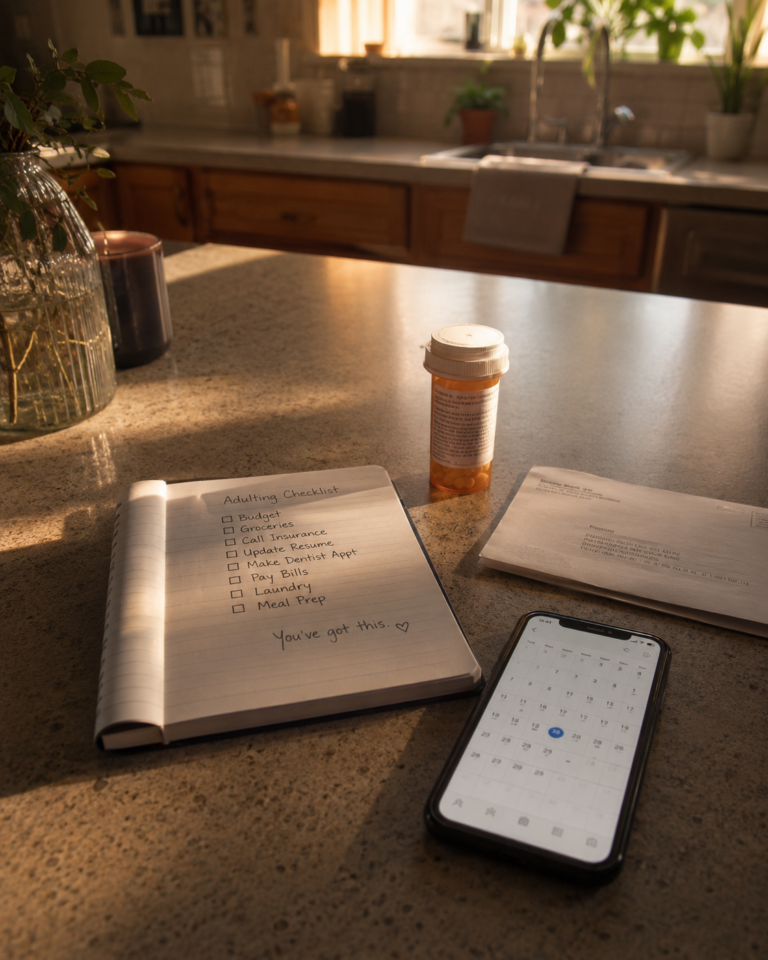
Before you start saying yes or no to things, sit down once and figure out your number for the whole summer: what you have coming in (job, savings, transfers from home), what’s fixed (rent if you have it, phone, subscriptions), and what’s left. That remaining number is your entire summer. Not a monthly figure. The whole thing, June through August.
Once you see it as a single sum, the decisions get clearer. You’re not asking “can I afford this?” each time. You’re asking “is this worth spending from my summer?”
Build a Yes Fund
The reason people overspend socially isn’t that they don’t have a budget. When an invitation arrives, there’s no clear system for handling it. The math takes too long, the answer comes before you’ve finished calculating, and you say yes to avoid the friction of saying no.
The fix is to take a chunk of your summer total and call it your social fund. Set the number in advance, based on what you actually think summer will cost you in social situations: concerts, trips, dinners, bars, random Wednesday things. It doesn’t have to be a big number. It has to be a real one.
When an invitation comes in, the only question you ask is whether you have room in the social fund. If yes, you go. If no, you don’t, and you don’t have to do the math live in a group chat because you already did it. The decision becomes a system, not a debate every single time.
Host More Than You Go Out
One of the cheapest ways to have a social summer is to be the person who provides the thing rather than the person who pays to attend the thing.
A movie night at your place costs the price of snacks. A potluck cookout costs whatever you contribute to it. A beach day where you’re the one who figured out the parking situation costs you the parking spot. These events are often better than the expensive versions, and they do something else that matters: they shift you from passive attendee to active participant. You’re not waiting to be invited somewhere. You’re the reason the thing happened.
This doesn’t work every time. Some things are worth paying for and you should pay for them. But if you’re going out four nights a week, replacing two of those with something you host cuts your social spending significantly without removing anything real from your summer.
The 24-Hour Pause for Anything Over $50
This is the rule that makes everything else easier. When something comes up that costs more than $50 and it’s not already accounted for in your social fund, you don’t say yes in the moment. You say “let me check my calendar” or “let me see” and then you wait until the next day.
This is not about the money. It’s about removing the social pressure from the decision. An invitation that arrives in a group chat feels urgent because the group is watching. Responding 18 hours later when you’ve actually thought about whether you want to go is not rude. It’s how actual decisions should be made.
You’ll find that about half of the things that feel essential in the moment feel optional the next morning. Some of them you’ll still want to do. Go. Some of them you won’t, and declining is easier when you’ve had time to think about it.
What FOMO Is Actually About
Here’s the thing nobody says out loud: FOMO spending rarely feels good afterward. The concert you paid too much for is fine, but the credit card statement in September is not, and there’s a version of August where you’re calculating how to make your remaining money last two more weeks and skipping things you actually want to do because you ran out in the first half of the summer.
The students who have good summers financially are not the ones who said no to everything. They’re the ones who figured out which things actually mattered to them and spent real money on those things, while being honest with themselves about the filler they were attending because they didn’t want to miss it.
Not every invitation is worth going to. Some of them you say yes to because everyone else is, and you get there and you’re fine but you wouldn’t have missed much if you’d stayed home. That realization, applied in advance, is worth more than any budgeting app.
What September Looks Like
The summer you actually want is not a summer where you said no to everything interesting. It’s a summer where you said yes to the things that mattered and had enough left over to start September without the financial hangover.
The system works because it takes the math out of the moment. You already did the math. The yes fund already exists. The 24-hour rule handles the things that arrive without warning. What’s left is the actual summer, which is better when it isn’t undercut by the low-level anxiety of spending money you don’t have on things you’re not sure you even wanted.
If you’re also making money this summer, the math gets more room to work. The spending and earning sides of the same season, handled together, are what a good summer actually looks like.