Gen Z Made Soccer Cool in America. The World Cup Exit Doesn’t Change That.
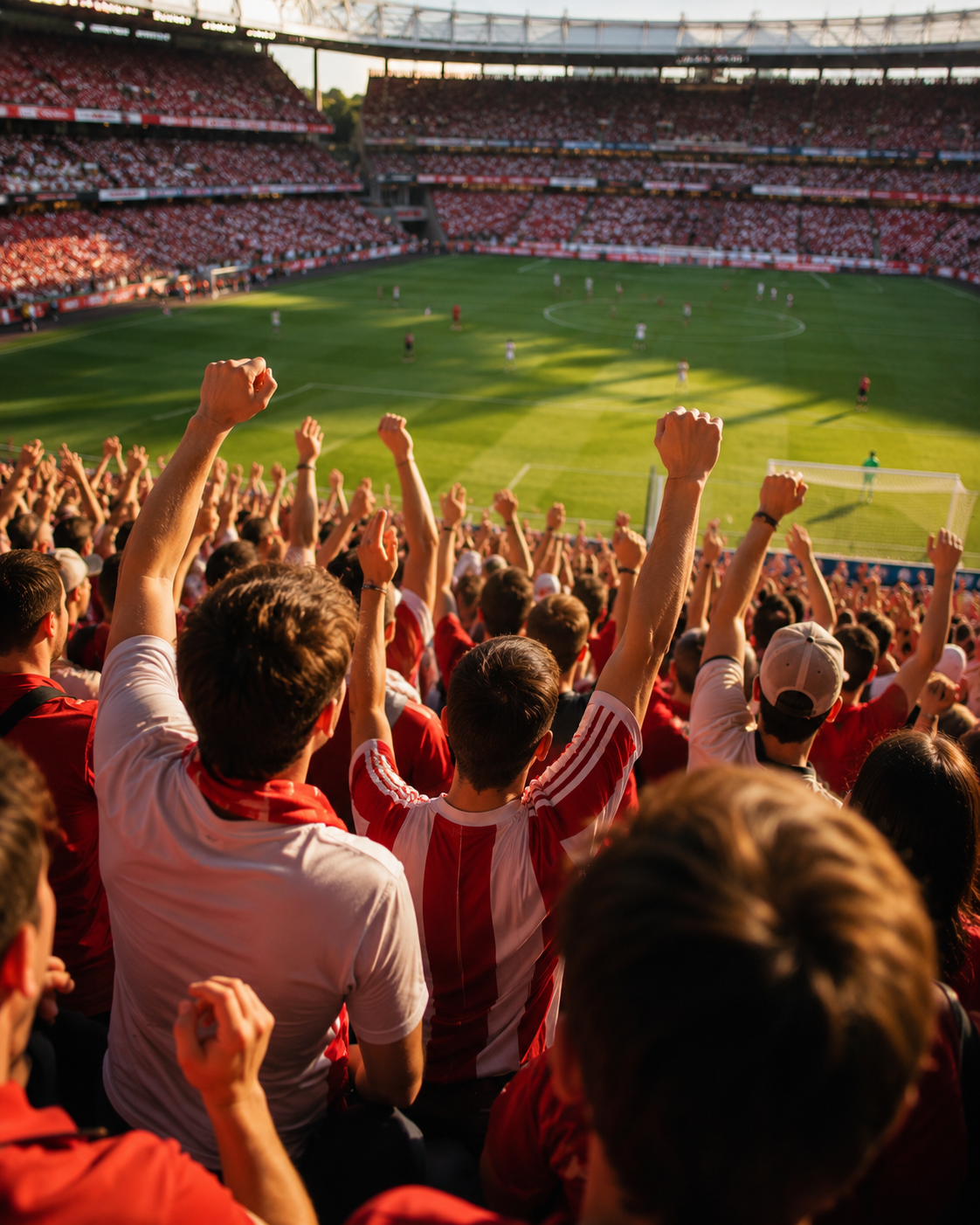
At the 59th minute in Seattle, Christian Pulisic went down from a heavy tackle and didn’t get back up. The US was already trailing Belgium 2-1, hanging in a match that had been tight and winnable. When he came off, Belgium took control. By the final whistle, it was 4-1, and the US men’s national team was out of the World Cup they had waited thirty-two years to host at home.
The exit was hard. It was also just a scoreline. What happened between 1994 and July 6, 2026 is the actual story, and that story belongs almost entirely to the generation that lived it.
How Soccer Got Here
One in five Americans now names soccer as their favorite sport. That number didn’t come from a federal initiative or a media campaign. It came from a generation that found the sport on its own terms: Champions League finals at midnight streamed on a laptop, Messi arriving at Inter Miami on Apple TV+, Premier League highlights as the default sports content on TikTok, Wrexham becoming a story that pulled in people who had never watched a full match in their lives.
US viewership of the Premier League grew 23.5% this year, reaching 36.2 million total American viewers. The 2025-26 season opener averaged 850,000 US viewers across broadcast and streaming, with Manchester United against Arsenal pulling 2 million. Those are not soccer numbers from the country that invented the sport. Those are soccer numbers from a country that decided, collectively and generationally, to care.
Nielsen data from this tournament puts the share squarely: 76% of American soccer fans are Gen Z or Millennial. This generation didn’t inherit the fandom. They built it out of streams and clips and algorithm-surfaced highlights of players they’d never been told to care about, in leagues that weren’t on network television, in countries they’d never visited.
What This Run Was
The US won its group in 2026. They beat Bosnia and Herzegovina 2-0 in the Round of 32. Pulisic, playing through a calf injury that had been carefully managed through the group stage, became the American all-time World Cup assist leader with three career assists. The team made the Round of 16 on home soil, something the US hadn’t done since 1994, the last time this country hosted.
The Belgium loss was 4-1 and it wasn’t close by the end. But Belgium was one of the tournament’s stronger sides, and the match was competitive for an hour before Pulisic’s injury changed its shape. ESPN called it a missed opportunity, which is both accurate and the right way to read it: the program has become good enough that a Round of 16 exit on home soil registers as disappointment rather than achievement. That’s a different status than this team had five years ago.
The Part That Comes Next
Cavan Sullivan is seventeen. He’s already signed to Manchester City. The level of anticipation around him is something American soccer hasn’t generated in a teenager since Pulisic first came up, and Pulisic was already, at 27, this team’s all-time World Cup assist leader by the time he went down on that tackle in Seattle.
The generation of players Gen Z grew up watching made the program credible. The generation coming behind them may make it something more than that. The 2028 Olympics are in Los Angeles. The next World Cup cycle is already building. The NWSL, which has been on a trajectory that mirrors exactly what the WNBA went through before it became the cultural object it is today, keeps growing.
American soccer didn’t peak in Seattle. It lost a match in Seattle. Those are different things.
What the Fandom Built
The Country Roads thing was real. After the US beat Bosnia, the locker room filled with players singing John Denver, and the cameras stayed on it long enough that the clip went everywhere. It wasn’t staged. It was a group of players who had grown up, like their generation, finding that they were genuinely emotional about something that previous generations of Americans had treated as a foreign sport.
That’s what Gen Z did to soccer in this country. They made it a thing you could feel something about, not just watch. The tournaments in 2022 and 2026 happened against a backdrop that the generation built themselves: the streaming infrastructure, the social media fandom, the language of the sport absorbed through years of watching other countries’ leagues before their own national team gave them a reason to care about a scoreline.
The US lost 4-1 to Belgium at Lumen Field in Seattle on July 6. The generation that built the fandom that made that match matter is still here. So is everything they built to get there.