Lucia’s Book List 2026 – Chapter One
Hi, I’m Lucia. In first grade, I read Wonder by R. J. Palacio. As I flipped relentlessly through its pages, I became completely hooked on the practice of reading. I fell in love with the smell of each new page, which carried the mark of the bookstore it came from, the words so carefully crafted that I could absorb them, and the act of storytelling that allowed me just a peek into a different life. For the past two years, I’ve set a goal of reading 25 books. This year, I’m raising that goal to 30, which may sound ambitious, but I promise…it will happen. I treat reading like a sport: you practice until it becomes a habit, something second nature, like brushing your teeth. Here is my first round of picks so far this year.
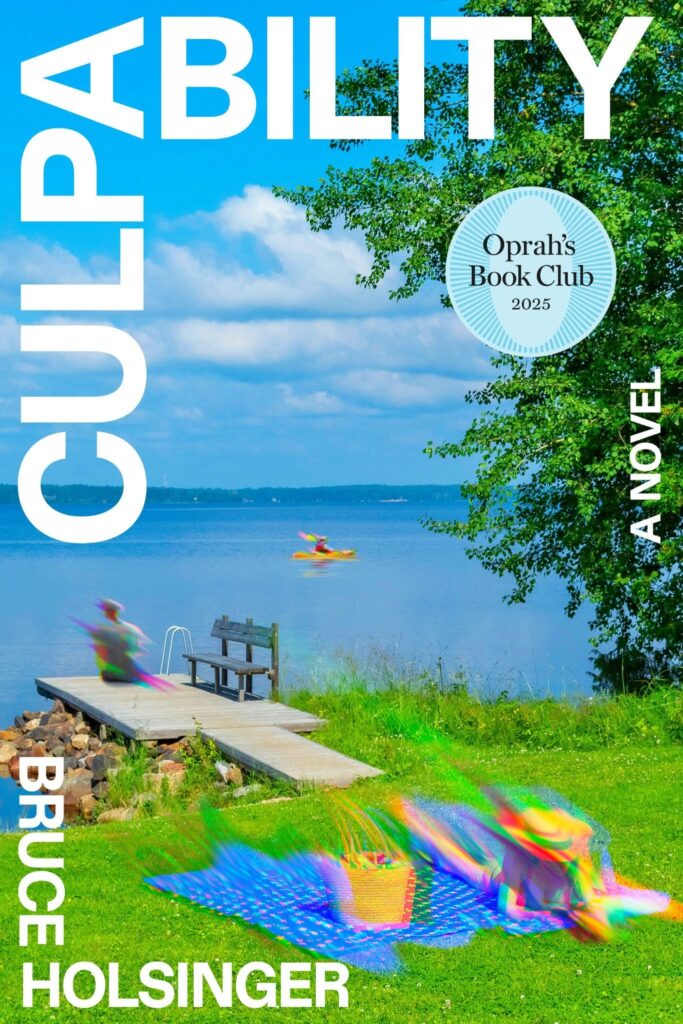
Culpability, Bruce Holsinger
We live in a world consumed by the anticipation of AI technology’s seemingly limitless potential. What do we do as human beings with technology so powerful and so rapidly evolving? What are the ethical and moral ramifications of AI? How do we utilize the technology as a tool that simply aids our thinking rather than succumbing to it and harnessing it to think for us? Bruce Holsinger’s novel Culpability follows a suburban family whose lives are altered by an AI tracker implanted in their vehicle during a car crash, tracking their every move prior to the crash and leading to an investigation into the protagonist’s son. The protagonist’s wife is a pioneer of AI technology who believes in the technology as a profound vehicle for positive change. What seems at first to be a tale following a family’s coming of age quickly transitions into a fictional analysis that narratively answers the very prevalent questions about AI technology that we all so desperately want answers to. I found this book especially compelling because it transforms abstract ethical questions about AI into an intimate, human story—making it both intellectually engaging and emotionally gripping. I would highly recommend it to anyone interested in the future of technology and its impact on everyday life.
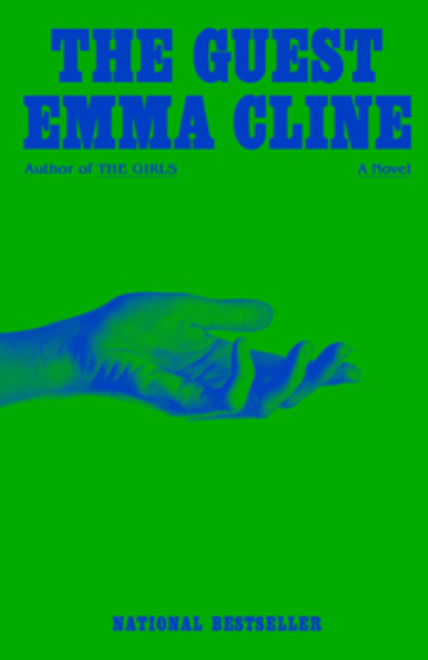
The Guest, Emma Cline
Emma Cline crafts a twenty-two-year-old character, Alex, whose life depends on the eager participation and generosity of others. Set on Long Island during the sticky humidity of summer, Alex moves between relationships, homes, and identities, performing her way through life in order to survive. She is designed as a kind of Anna Delvy–type figure—a con artist, yet one with enough depth to make the reader want to root for her. The ethical ambiguity of her deception is softened by her sharp comedic appeal and her promiscuity. Still, the ending remains notably inconclusive: while we may want her to be held accountable for her schemes, the novel’s unresolved conclusion instead leaves us questioning how meaning can be constructed in a world where identity shifts so fluidly in response to economic pressure and the need for survival. What I loved most about this novel was its ability to make such an unlikeable character feel strangely captivating. I would recommend it for its sharp social commentary and its unsettling, lingering effect.
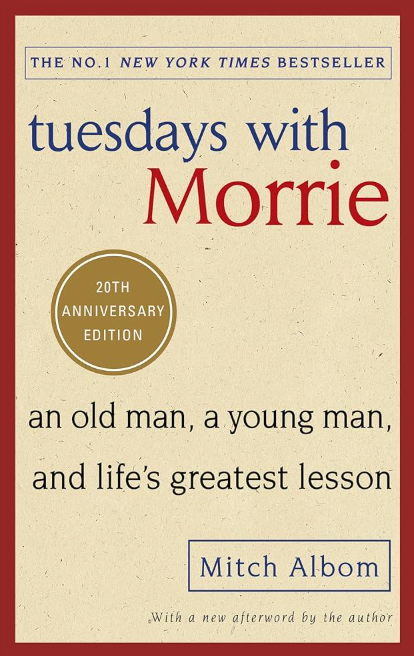
Tuesdays with Morrie, Mitch Alboom
This is arguably one of the most powerful books I have ever read. Tuesdays with Morrie is written in an incredibly accessible style—approachable for readers of any age—yet it carries remarkable emotional weight and depth. The book follows an aging professor as he gradually faces the end of his life, inviting the protagonist, Mitch Albom, to meet with him every Tuesday. Through these conversations, he shares the life lessons and reflections he has gathered over the years. While some might categorize it as a self-help book, that label feels too limiting and fails to capture the richness of Albom’s storytelling. I would even go so far as to call this book my personal bible; if you are looking for a deeply self-reflective meditation on life, death, and everything in between, this book is for you. I was particularly drawn to the quiet intensity of this novel and its sharp observations about gender and independence.
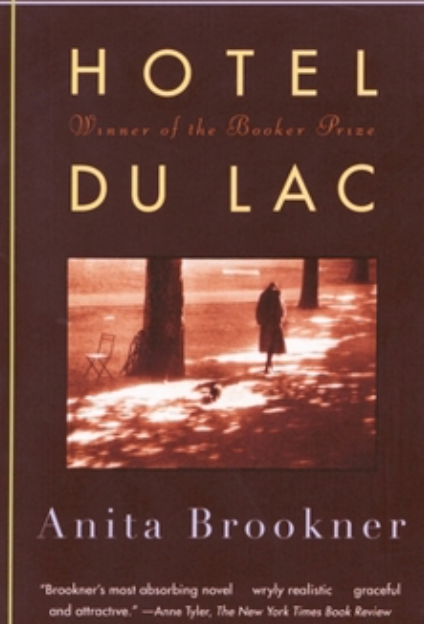
Hotel du Lac, Anita Brookner
Hotel du Lac is a chilling portrayal of a woman in the 1980s attempting to discover herself after fleeing her wedding and retreating to a posh hotel in Switzerland. Channeling the emotional turmoil of the era’s feminist awakening, Anita Brookner crafts characters whose physical confinement within the hotel mirrors the broader societal constraints placed upon them. It is a captivating read, marked by precise and meticulous descriptive prose that underscores the tumultuous coming-of-age of a woman striving to understand herself and her place in the world.