
The Case for Going to Office Hours in College
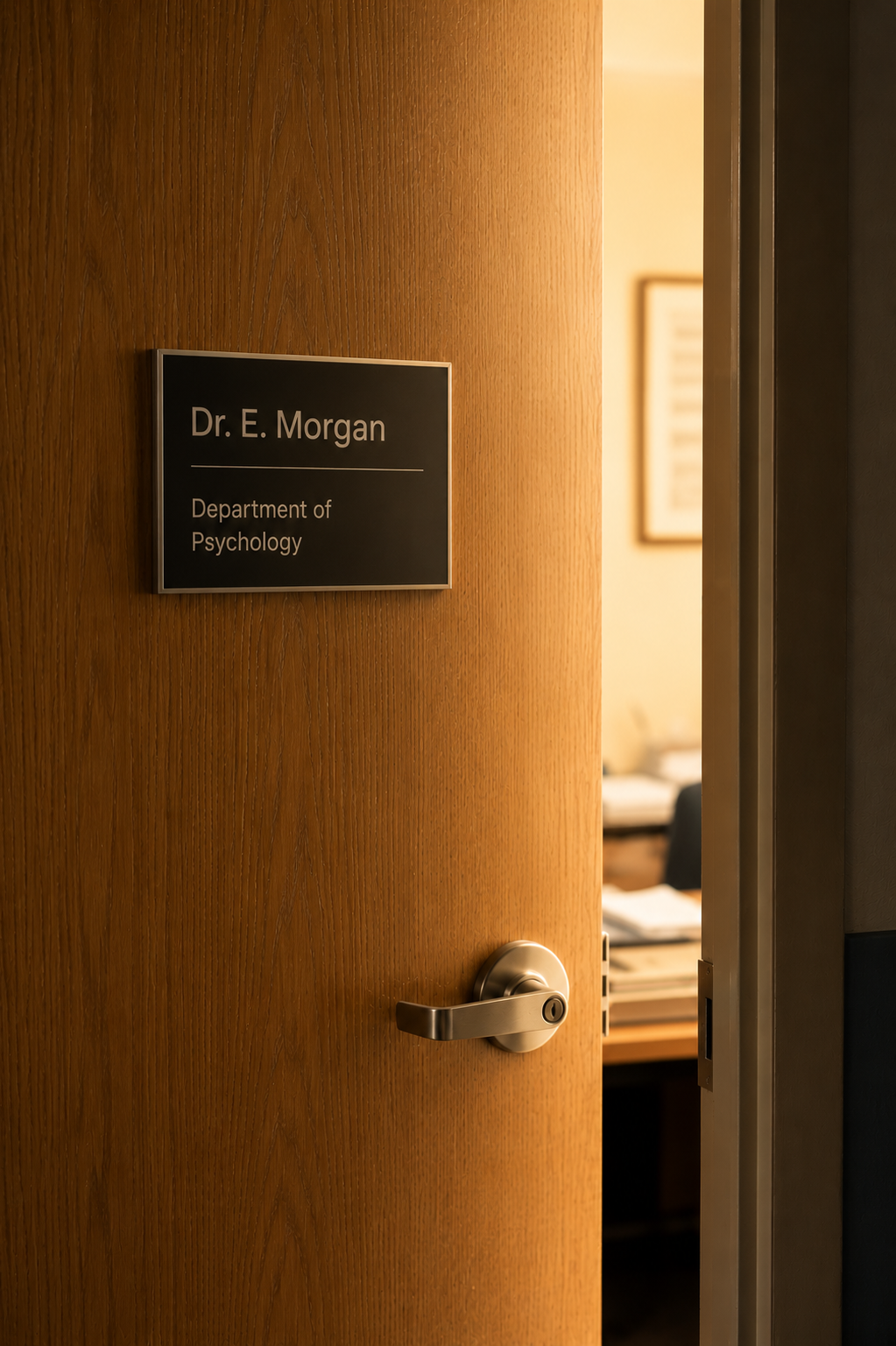
The syllabus says it on the first page: Office Hours. Tuesday and Thursday, 2 to 4pm, Room 214. You write it down. You never go.
Neither does almost anyone else. And the students who do are playing a completely different game than the ones who don’t.
Why Nobody Goes
It’s not that students don’t know office hours exist. Everyone knows. The reason they don’t go is more specific.
It feels presumptuous. Like you’re taking up time that belongs to someone important. Like showing up without a real, urgent reason is an imposition. The professor has a PhD and decades of research and a hundred students in their course. What could you possibly have to say that warrants a private meeting?
It feels like an admission. Office hours carry a reputation for being for people who are struggling, for the student who failed the first exam and needs to understand why. Showing up feels like announcing that you don’t understand something you should, that you’re behind, that you needed more help than you should.
It feels awkward. You knock, they look up, you stand in the doorway, and you’re not entirely sure how to begin. You’ve never had this kind of one-on-one conversation with someone in academic authority before. The format is unfamiliar.
All three of these things are real and none of them are actually true. But they’re enough to keep most students from ever opening that door.
What’s Actually on the Other Side
The professor is sitting there. Probably alone. Often doing other work, a paper they’re editing, emails, grading. They set these hours specifically to be available to students. When nobody shows up, the hours pass and the work gets done and nothing interesting happens.
When you knock, most professors are genuinely glad for the interruption. Not out of politeness, though that’s part of it. Out of something more like professional satisfaction. They spent years becoming expert in a subject. Office hours are the one place in the week where a student is interested enough to show up and ask them something.
The conversation is also nothing like what most students imagine. You don’t have to arrive with a prepared speech or a detailed question. “I’ve been thinking about what you said in class on Tuesday about X and I’m trying to understand how it connects to Y” is a complete reason to be there. “I’m not sure I fully understand the framework from the reading” is a complete reason. Even “I’m figuring out what I want to do with this major and I wanted to ask how you got here” is a complete reason.
The professor doesn’t need you to be impressive. They need you to be present.
What Changes After
Here is what the research and everyone who’s been through college already knows: when a professor knows who you are, everything changes.
Not because they grade you easier. Because they see you differently. You’re not a name on a roster or a student number on an exam. You’re a person who asked them something real and listened to the answer. That distinction matters across the entire semester in ways that are hard to quantify but very easy to feel.
It matters when you have a question about an assignment and you email them instead of guessing. It matters when you’re applying for an internship or a research position and you need a recommendation from someone who can actually speak to who you are as a student rather than what your grade was. It matters when you’re at the end of a semester and something went wrong and you need an extension or an accommodation and you’re talking to someone who knows your name.
The students who go to office hours are building relationship capital with the people who have the most ability to help them. Not because they’re networking cynically. Because they showed up.
It Doesn’t Have to Be About a Problem
The biggest misconception about office hours is that they’re for when you’re stuck.
Going when you’re stuck is fine. Going when you have a genuine question about something you found interesting is better. “I read something outside of class that connects to what we’ve been covering and I wanted to ask what you think about it” is the kind of thing that stays with a professor for years. Not because it’s impressive. Because it’s rare.
The students who get the most from college are not always the ones with the highest grades. They’re the ones who treated their professors as people to learn from rather than obstacles to pass. Office hours are where that starts.
Just Go Once
Before the first exam. Before you need anything. Before there’s any urgency.
Go because you read the syllabus and you have one question. Go because you found the first week of lectures interesting and you want to say so and ask what else they’d recommend reading. Go because you’re trying to understand what this professor actually cares about and the only way to find out is to ask them.
Knock on the door. Sit down. Ask the thing.
The first time is the hardest. After that it’s just a thing you do, and the distance between you and most of your classmates, the ones who will never go, gets wider every week.